Record Requirements
Cooling capacity, load profile, temperatures and availability requirements from the basis.
technotrans plans and configures the on-site cooling infrastructure for your data center. Free cooling, active cooling, and heat recovery are tailored to the site, load profile and operational requirements. From the initial project assessment through to service, technotrans supports the implementation of your cooling concept.



Facility Cooling provides the building-side chilled water supply for a data center and removes the heat generated by IT operations. The cooling systems supply the Facility Water System (FWS). The FWS connects the IT cooling infrastructure to the heat removal or heat recovery systems.
technotrans tailors refrigeration, free cooling, hydraulics and control systems to the project's requirements. The technical interface points with the IT cooling infrastructure are defined during the planning phase.
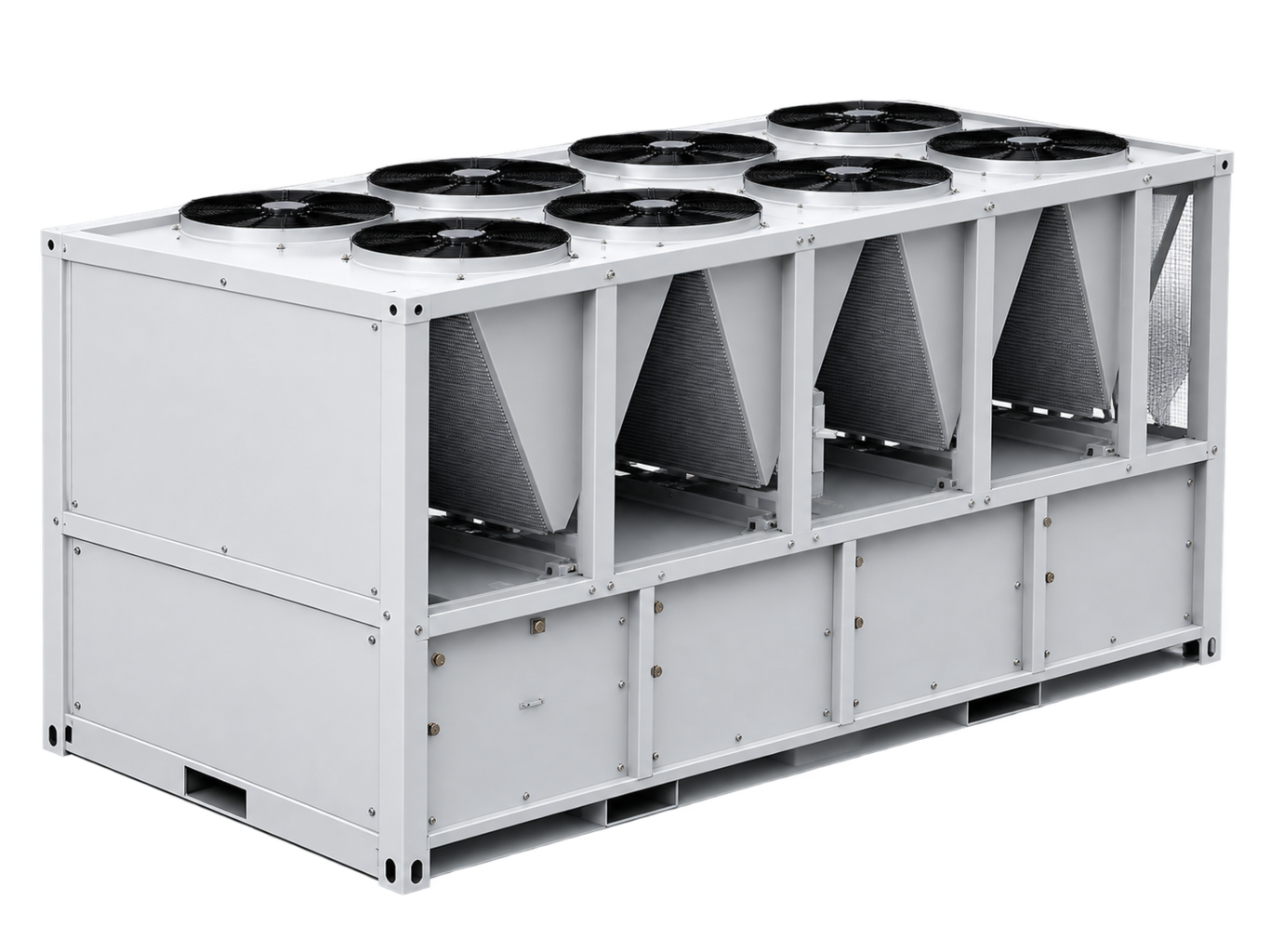
Basic BLOCK
For modular projects with lower power requirements.
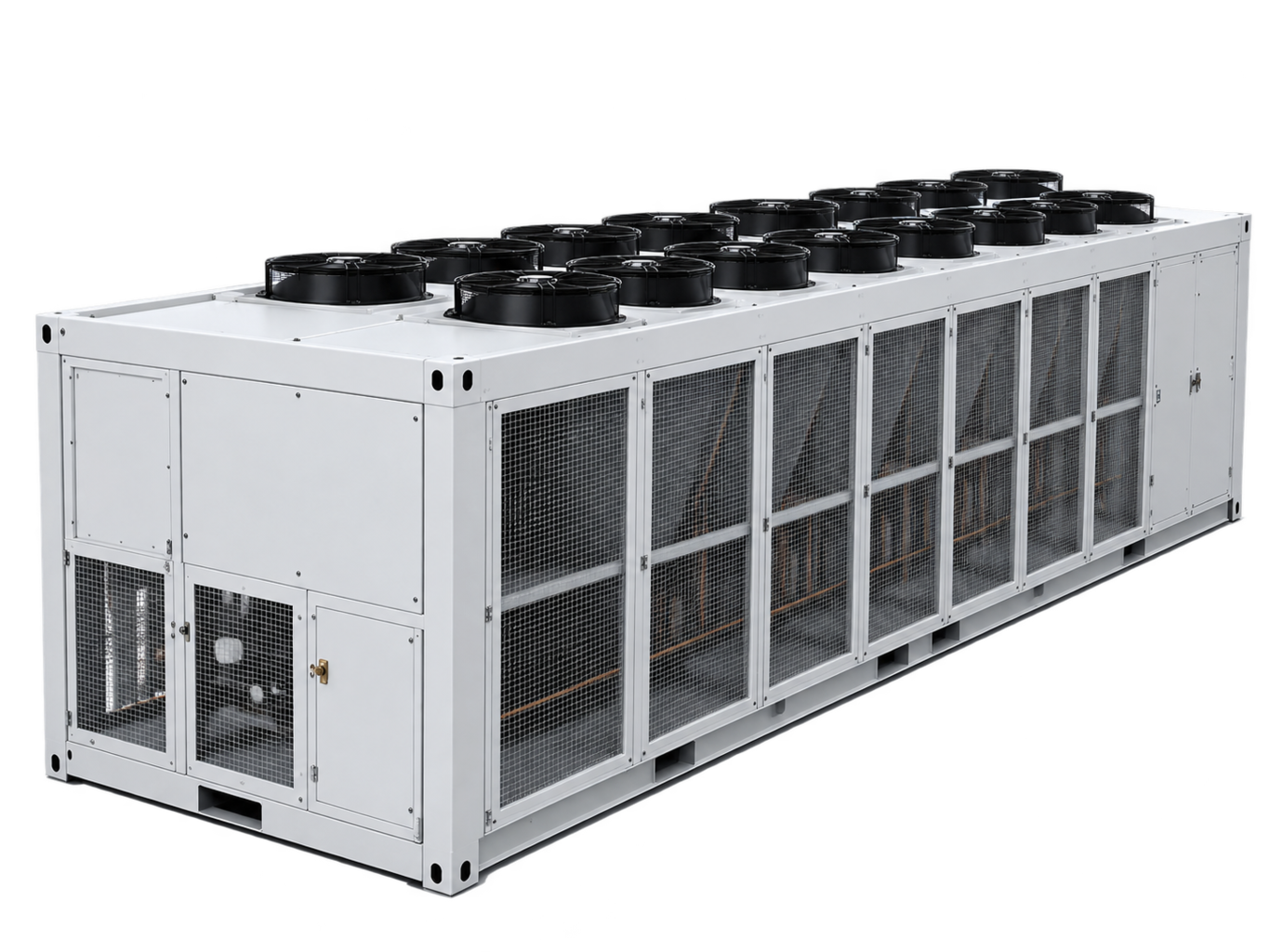
Compact BLOCK
High cooling capacity in a compact system configuration.
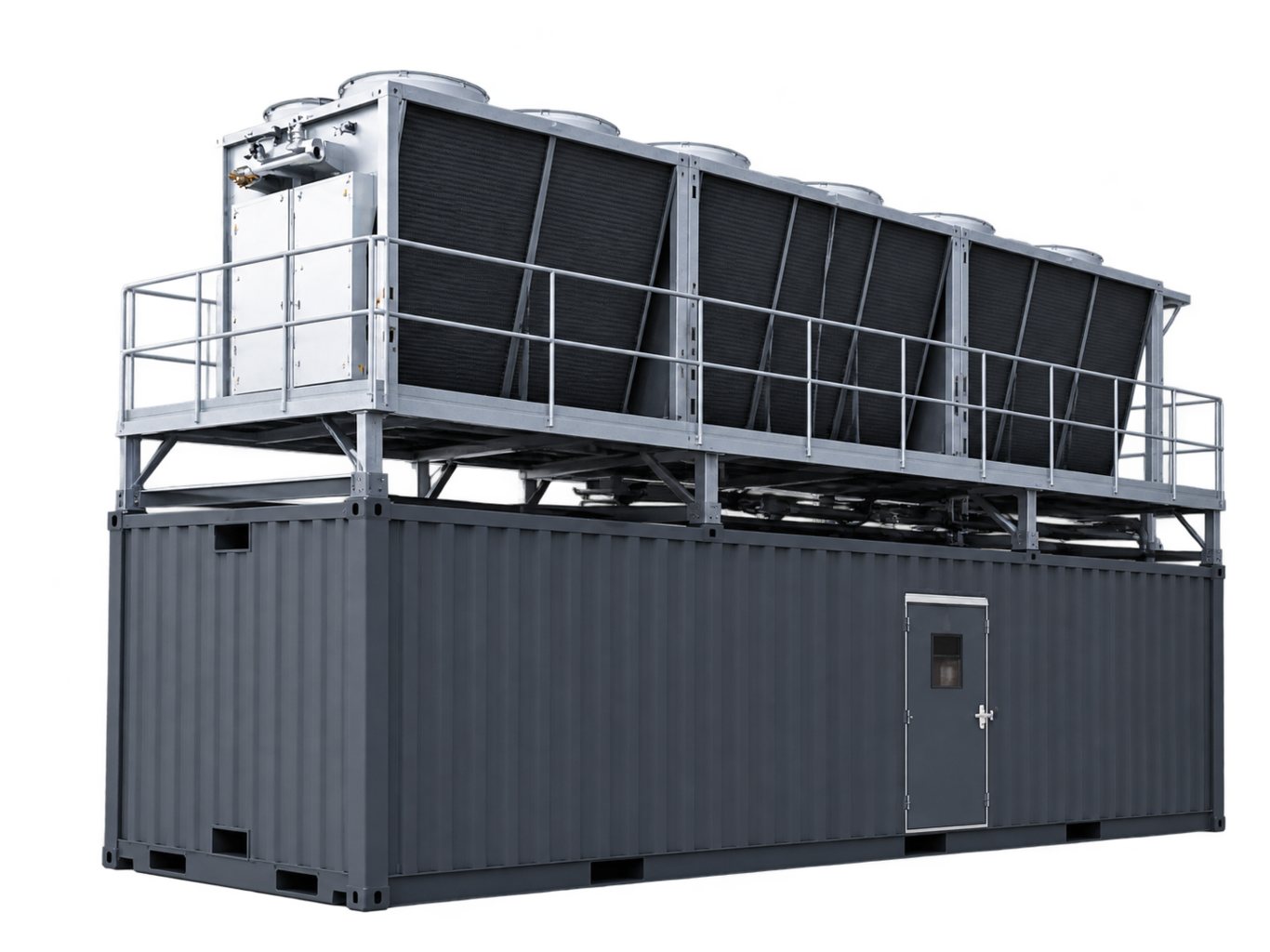
Big BLOCK
For projects with high cooling capacity requirements.
The information applies to each individual platform.
The cooling capacities of the individual systems can be multiplied by combining them into a networked system.
The specific cooling capacity and configuration will be tailored to the operating conditions of your project.
Project-Specific Design
The location, supply and return temperatures and the load profile determine the design of the cooling infrastructure.
technotrans evaluates the climatic conditions, assesses the potential for free cooling and recommends a suitable system configuration.
Requirements regarding redundancy, installation and future expansions are taken into account.

Record Requirements
Cooling capacity, load profile, temperatures and availability requirements from the basis.
View Climate Data
Site conditions determine during which operating phases free cooling can be used.
Designing Free Cooling
Selection and sizing are tailored to the required temperatures and loads.
Recommended Configuration
Cooling modules, hydraulics and controls are integrated into a cohesive system design.

Hybrid Cooling
Demand-Based Cooling Through the Combination of Free Cooling, Active Refrigeration and Intelligent Control
When outdoor conditions and cooling water temperatures are suitable, free cooling reduces the need for energy-intensive compressor-based cooling. If free cooling is insufficient, active cooling supplements the cooling supply. The control system adjusts both operating modes to actual demand.
The technotrans Energy Saving System uses capacity-controlled compressors to adjust the cooling capacity according to demand. This reduces energy consumption even during part-load operation.
Heat Recovery
Direct use or temperature increase using a heat pump
The heat generated in the data center can be used directly if its temperature is sufficient for the respective consumer. If a higher temperature is required, a heat pump can provide it.
The design is based on the temperatures of the cooling circuit and the heat demand of connected buildings, industrial processes, or district heating networks.

Redundancy tailored to operational requirements
Multiple cooling modules can operate together in a multi-operation system. The number of units and how they are integrated determine the performance and redundancy design, such as an n+1 configuration. The hydraulics, pumps and control system are tailored to these requirements. The control topology can be designed to include multiple redundant, physically separate controllers.

Internal redundancies and a design optimized for maintainability ensure reliable operation. System monitoring and remote access enable the analysis of operational data.
Deviations can be detected early on and used for predictive maintenance.

Additional modules can be integrated into a predefined expansion concept.
Planned expansions are therefore taken into account from the very beginning when designing the hydraulics, controls, installation areas and connections.
Standardized platforms and a high degree of prefabrication support
the preparation and implementation of your project.
technotrans handles the system design and configuration and oversees the
installation, commissioning and handover in accordance with the agreed scope of services.

Integration into the building management system and the technical interfaces will be coordinated as part of the project. Installation conditions and acoustic requirements will also be factored into the planning.
In container-based solutions, noise requirements can be addressed, for example, through soundproof enclosures and encapsulated components.

The global service concept, based on the "follow-the-sun" principle, supports round-the-clock operations. technotrans offers technical support, maintenance, repairs, replacement parts and remote support.
Support is tailored to the specific project and the relevant service organization.
Facility Cooling refers to the building-level cooling infrastructure. It provides a supply of chilled water and removes the heat transferred from IT operations. In the case of liquid-cooled servers, the heat is transferred at the interface between the IT and building cooling systems. This page describes the solutions for the building level.
The key factors are the outdoor conditions, the required cooling water temperatures and the load profile. If these conditions align, free cooling can reduce the need for compressor-based cooling. technotrans takes the site's climate data into account during the design phase and coordinates free cooling with active cooling.
It is helpful to provide information on the location, cooling capacity, load profile, supply and return temperatures, as well as requirements for redundancy and installation. Planned expansions and the timeline are also taken into account. For an initial consultation, the key data already known is sufficient.
Yes, provided that the available temperature level is sufficient for the intended heat consumer. If higher temperatures are required, a heat pump can be integrated. The design takes into account the available temperatures and the heat demand of connected buildings, processes, or heating networks.
Modular systems allow for the addition of cooling modules within a planned expansion concept. This requires that the hydraulics, controls, installation space and connections are compatible. Planned expansions should therefore be incorporated into the initial design.

Contact
Are you planning a new data center, an expansion, or a retrofit? Please provide us with the key details.
We'll discuss your requirements and the next steps for your facility cooling project with you.
Ingo Gdanitz
Business Development Manager
Phone: +49 2583 301-1105
E-Mail: ingo.gdanitz@technotrans.de